the poetry of liberation
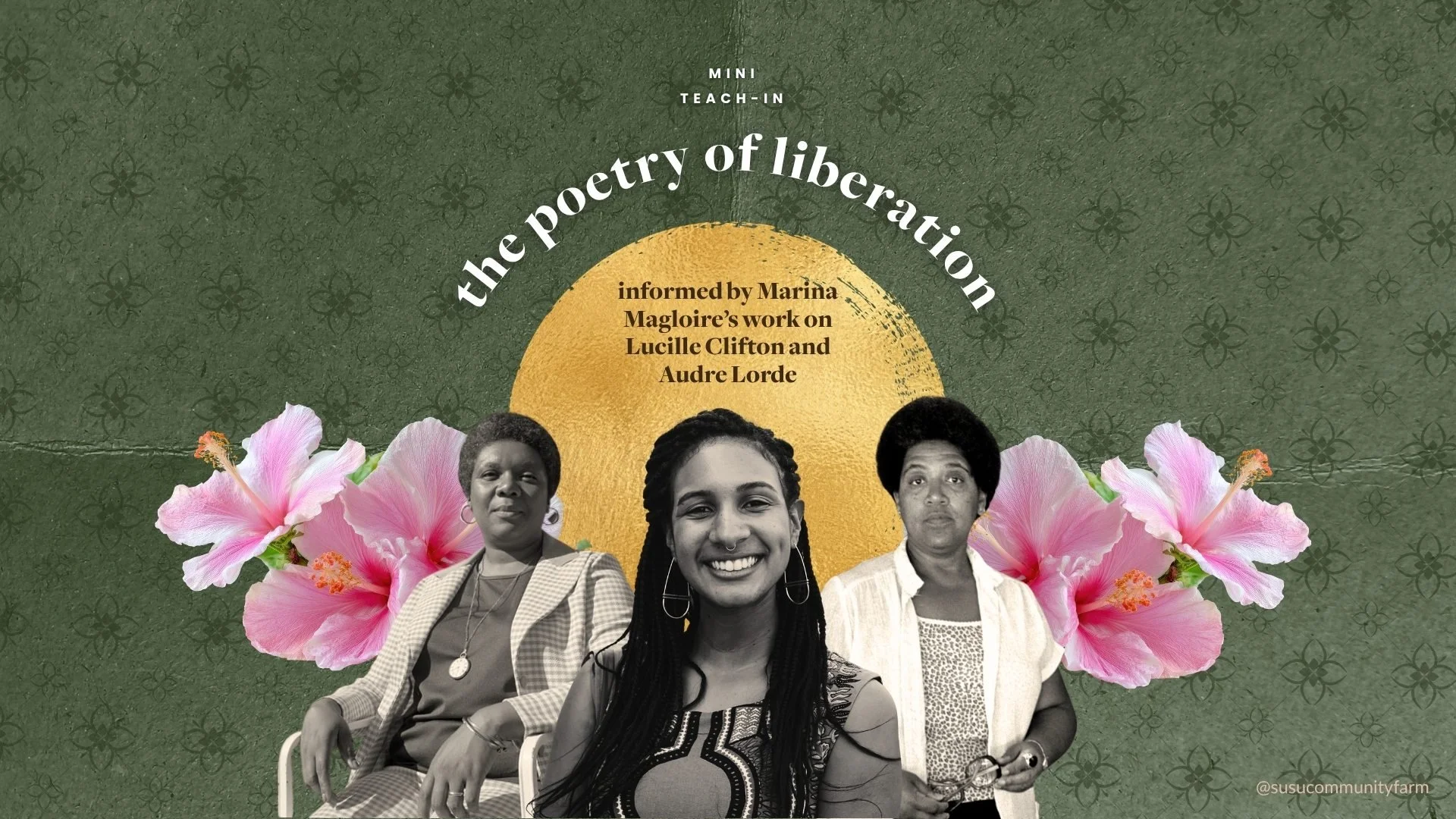
the poetry of liberation through Black womanist theory informed by Marina Magloire’s work on Lucille Clifton and Audre Lorde in “Uneasy Blackness Warrior Goddesses in the Age of Black Power” in We Pursue Our Magic: A Spiritual History of Black Feminism by Marina Magloire
Black womanism in the work of Audre Lorde and Lucille Clifton helps us understand
Black women’s lived experience as knowledge
the body as a site of memory and meaning
spirit, emotion, and intuition as valid forms of theory
liberation that includes this complexity
in the 1960s–70s, Black nationalist movements often
centered rigid gender roles
defined revolution through masculinity
excluded queer, spiritual, and nonconforming expressions
Aude Lorde and Lucille Clifton redefined Black liberation in their poetry
Aude Lorde and Lucille Clifton turned to Afro-diasporic spiritual traditions
to reframe liberation and correct narrow definitions of Blackness
as relational, with fluid gender and power roles
as ancestral, with ancestors as active participants in the present
as beyond Western political categories
as reliant on the leadership of Black woman, escaping support roles
Marina Magloire’s interprets Audre Lorde’s Uses of the Erotic: The Erotic as Power
for Lorde, the erotic is political
upending systems of oppression that depend on disconnection from feeling
a source of knowledge through feeling deeply
a standard for how life should feel, knowing through the body
a force that demands transformation and refuses numbness
anger is collective intelligence. it is data.
she describes Black women’s anger as:
a “symphony” shaped by shared conditions
anger reveals:
where harm lives
what must change
how we are connected
unexpressed anger destroys.
expressed anger builds clarity, action, and community.
Marina Magloire’s interprets Lucille Clifton’s “The Body Remembers”
Clifton’s work centers embodiment
memory lives in the body.
when she writes:
“all of my bones remember”
she says, history is carried physically
ancestry is felt, not only known
the body holds truths erased from official records
her poetry resists imposed narratives by insisting:
i will remember my own way.
Clifton introduces the idea of the “two-headed woman”:
one foot in the visible world
one in the spiritual
Black women are reframed as:
translators, mediums, bridges between worlds
Black women’s bodies are sites of transmission, knowledge, and power
she reframes care, motherhood, and intuition as intellectual and political labor.
together, Lorde and Clifton offer a different model of liberation where:
power includes softness, pleasure, and care
anger is useful, not shameful
the body is a source of knowledge
spirit and politics are not separate
Black women’s ways of knowing are foundational
they expand Black womanism into a full system:
body + spirit + memory + resistance
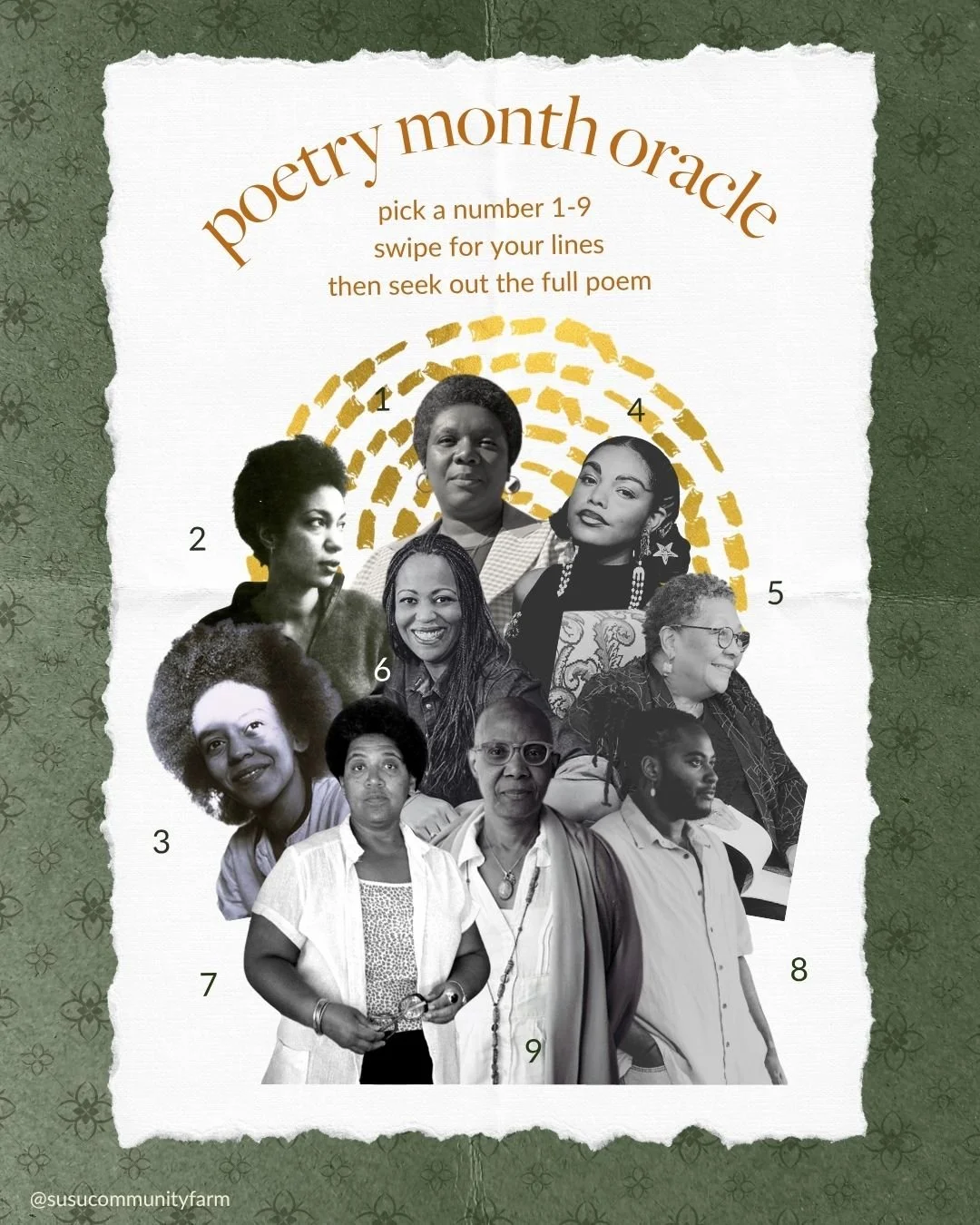
try out the poetry month oracle.
first, use your intuition to pick a number 1-9 to let the oracle within you. then look at the matching excerpt below.
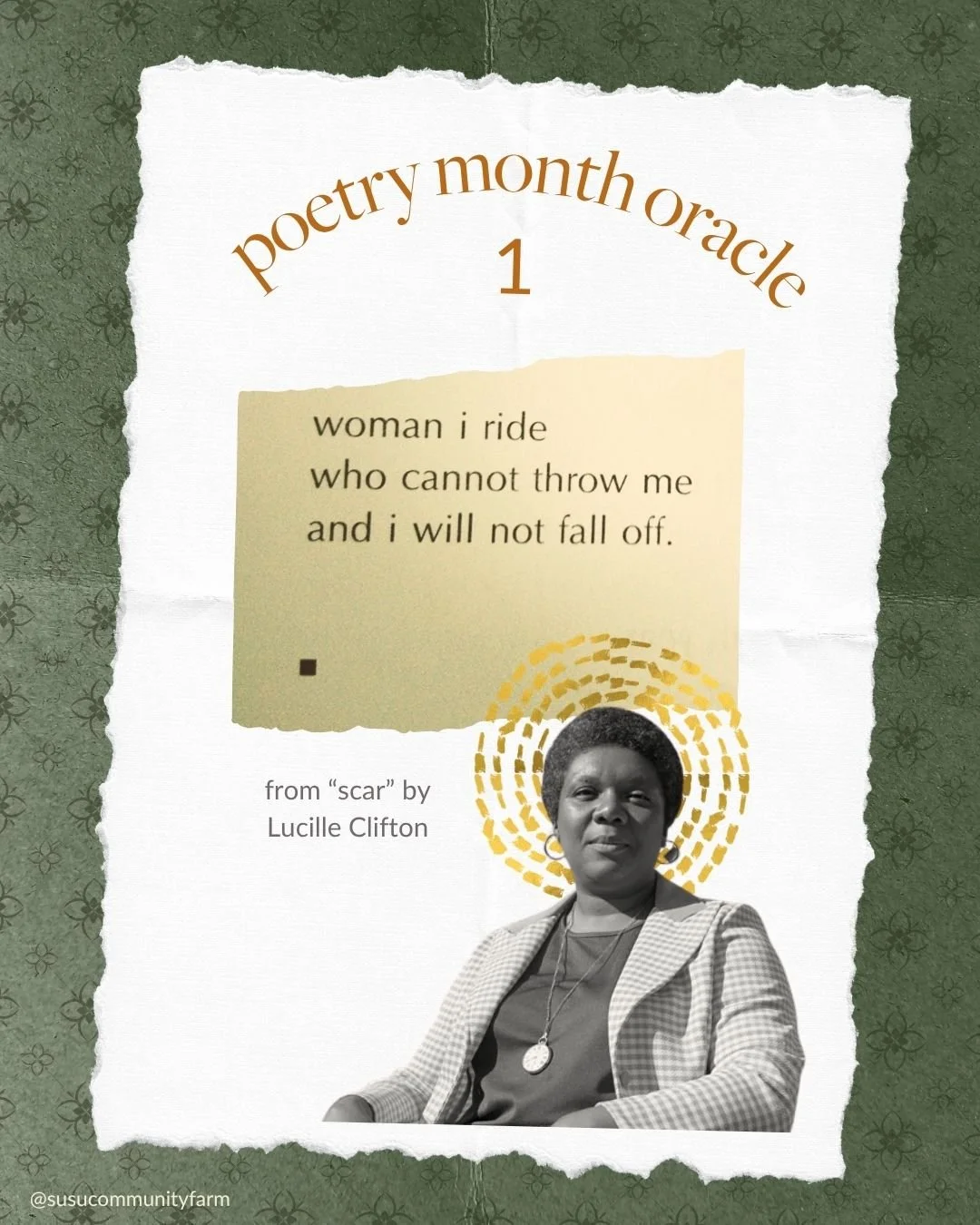
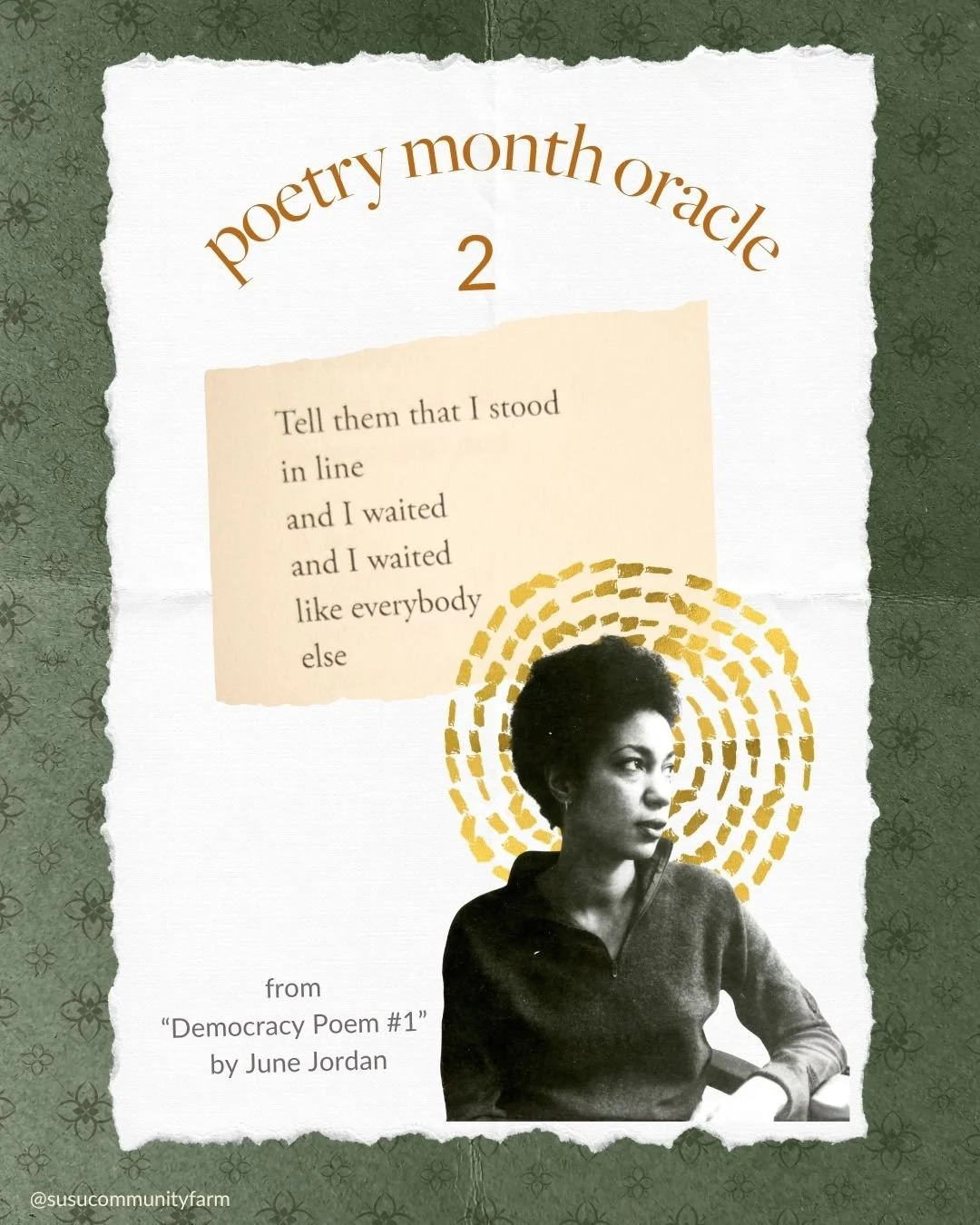
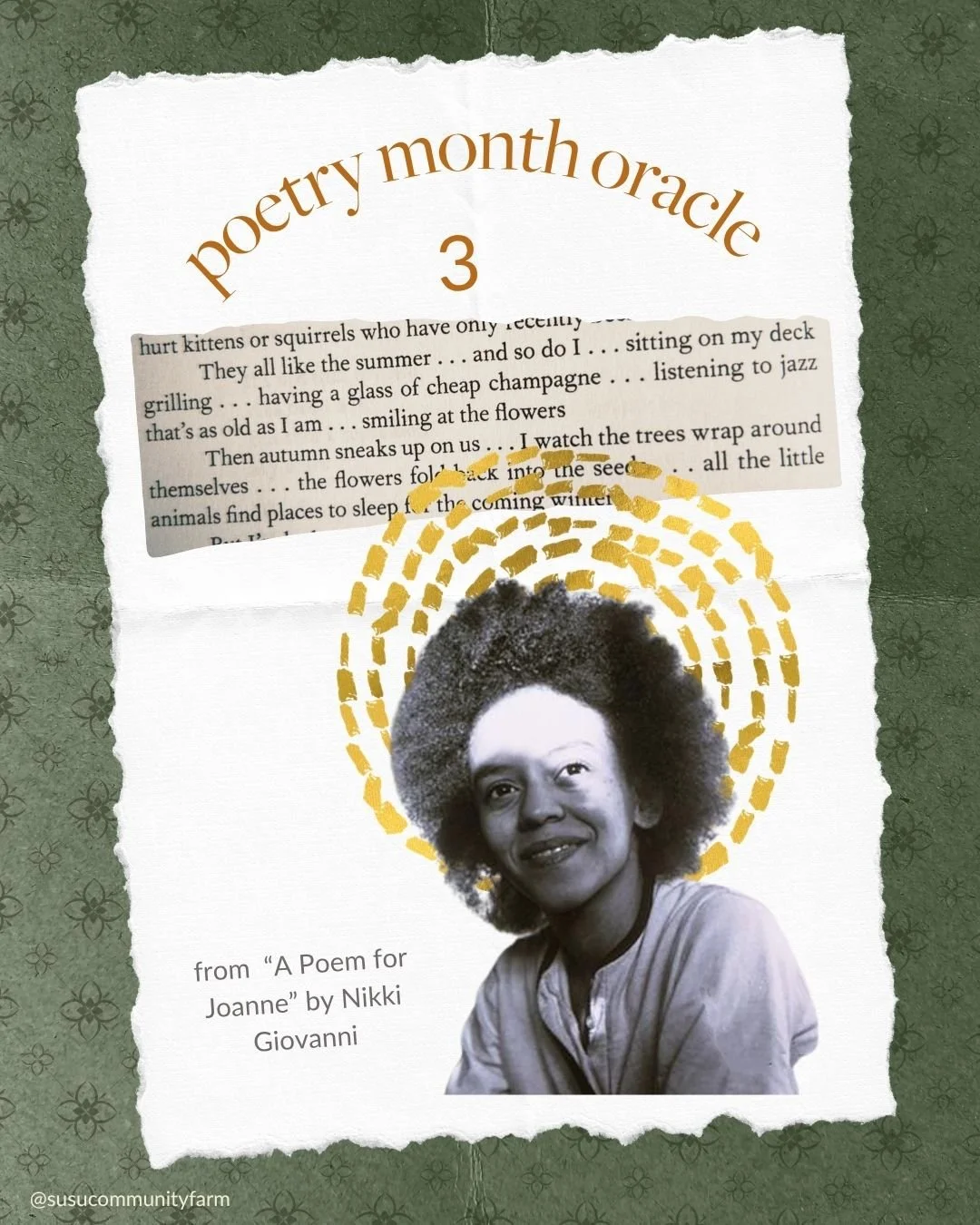
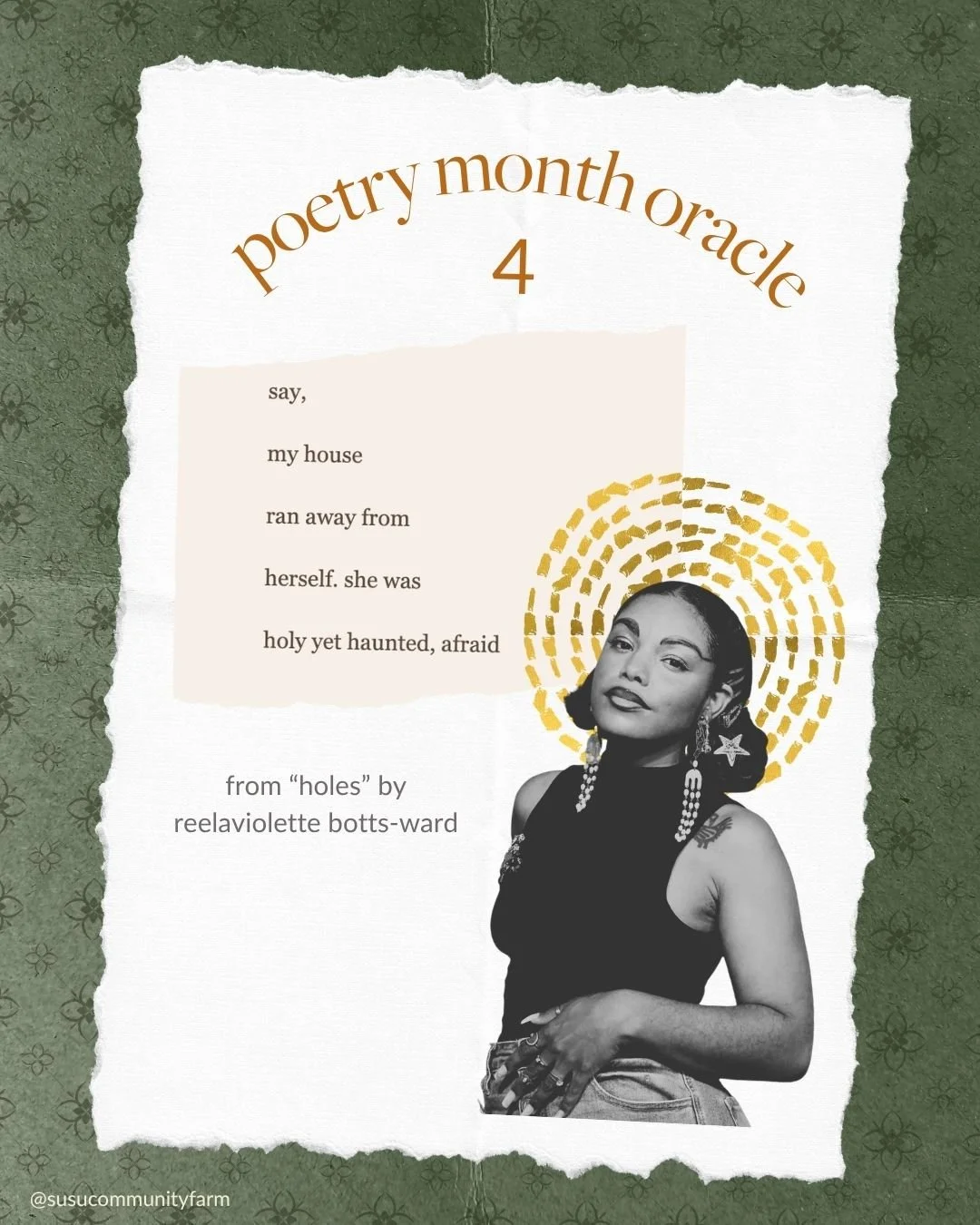
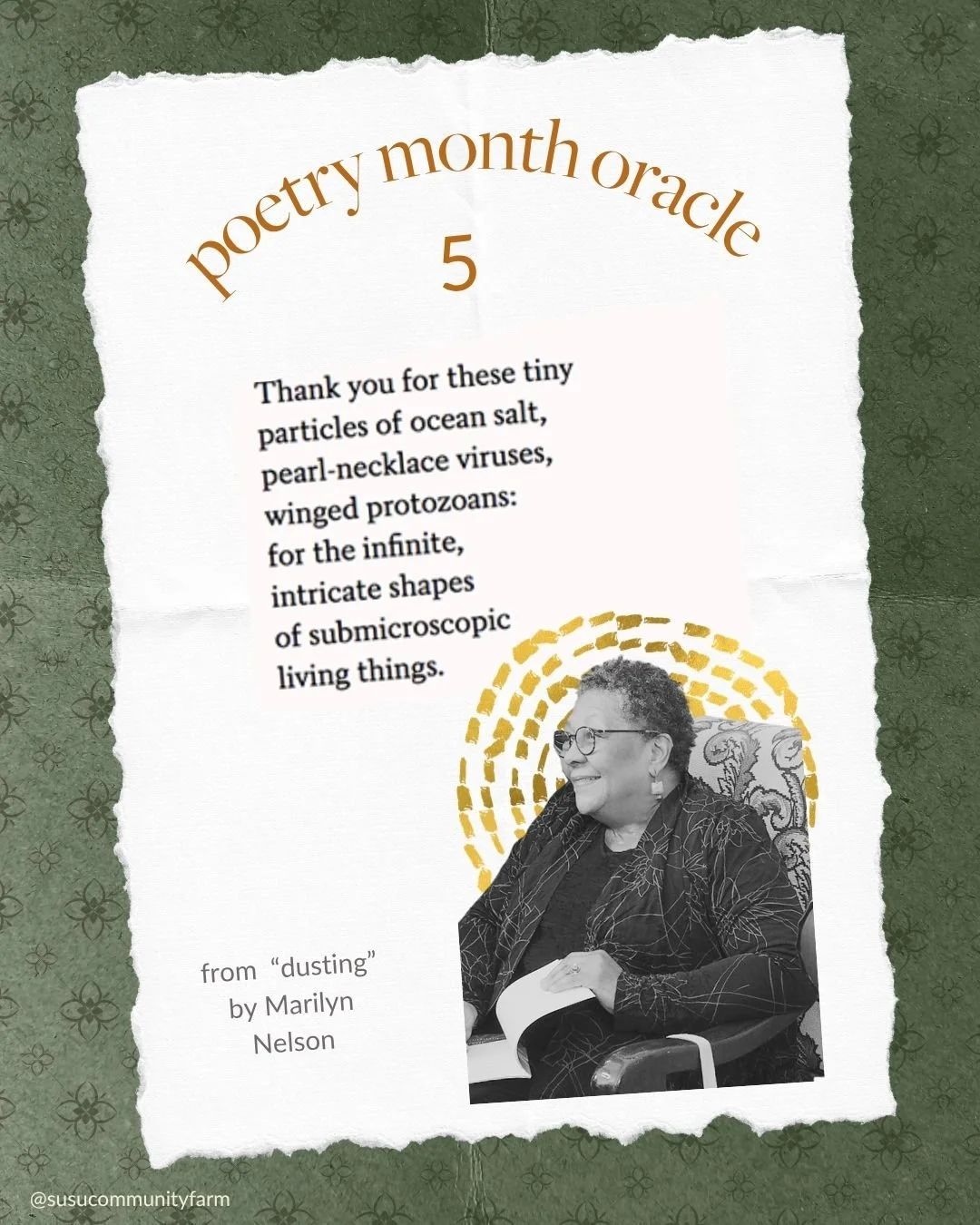
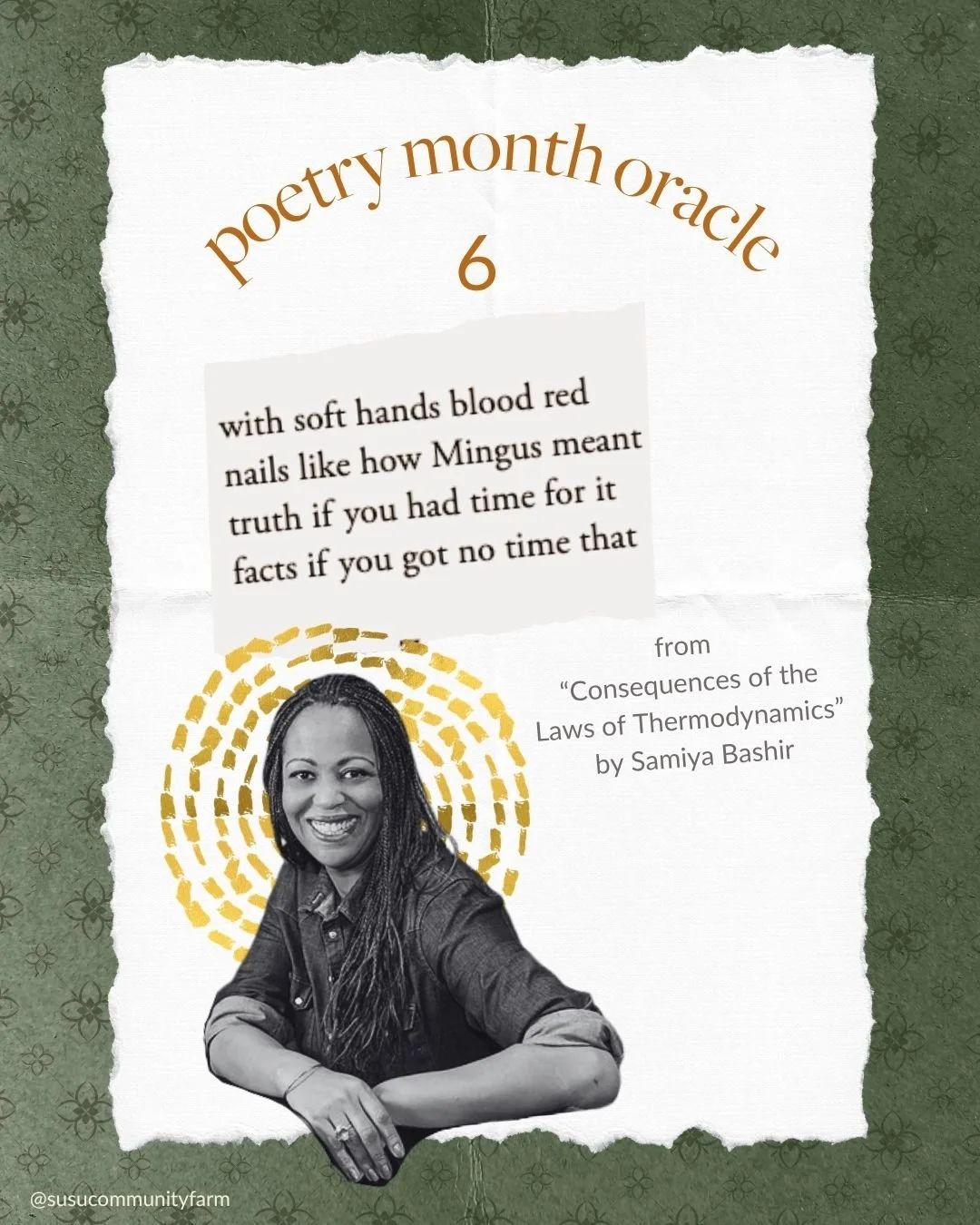
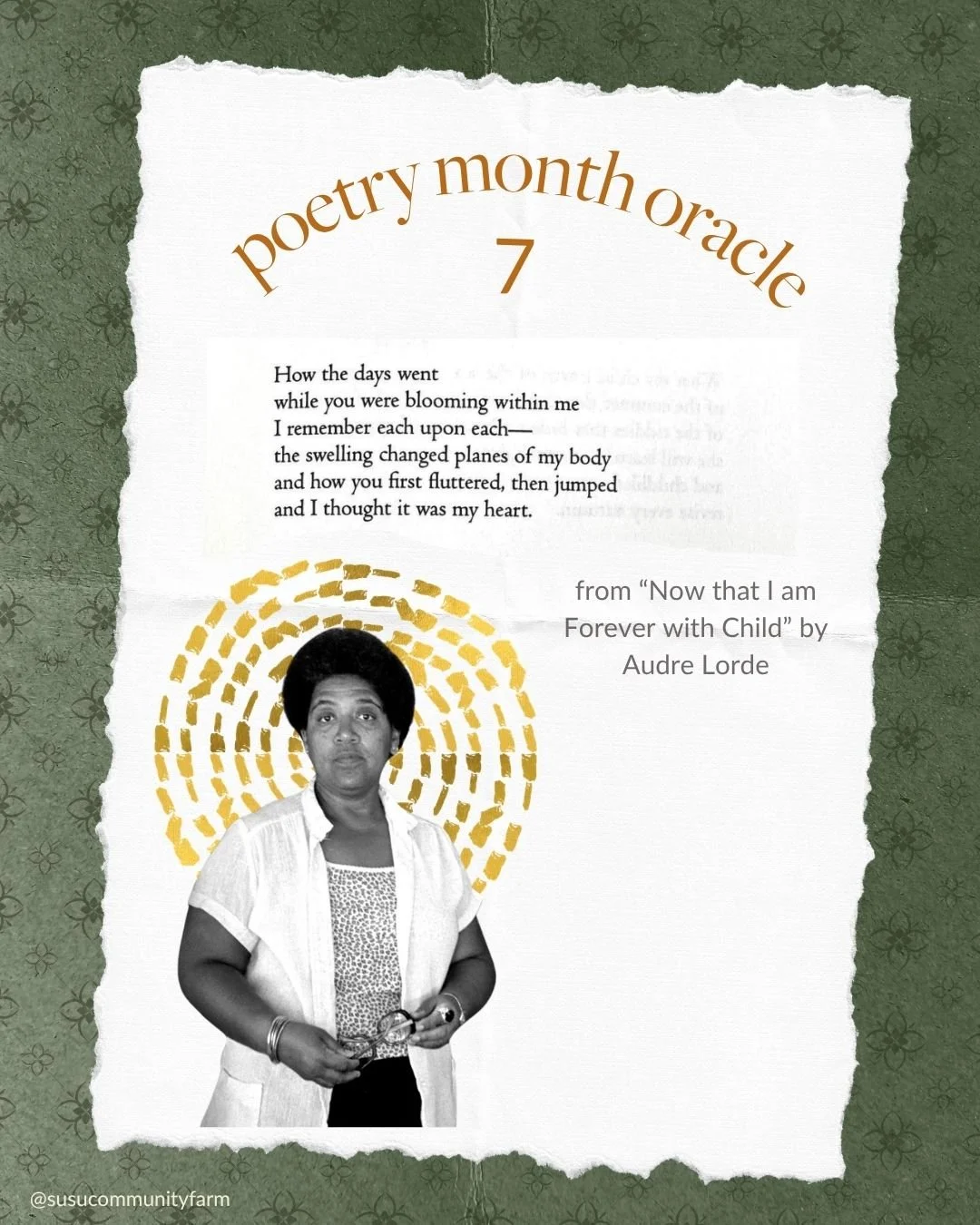
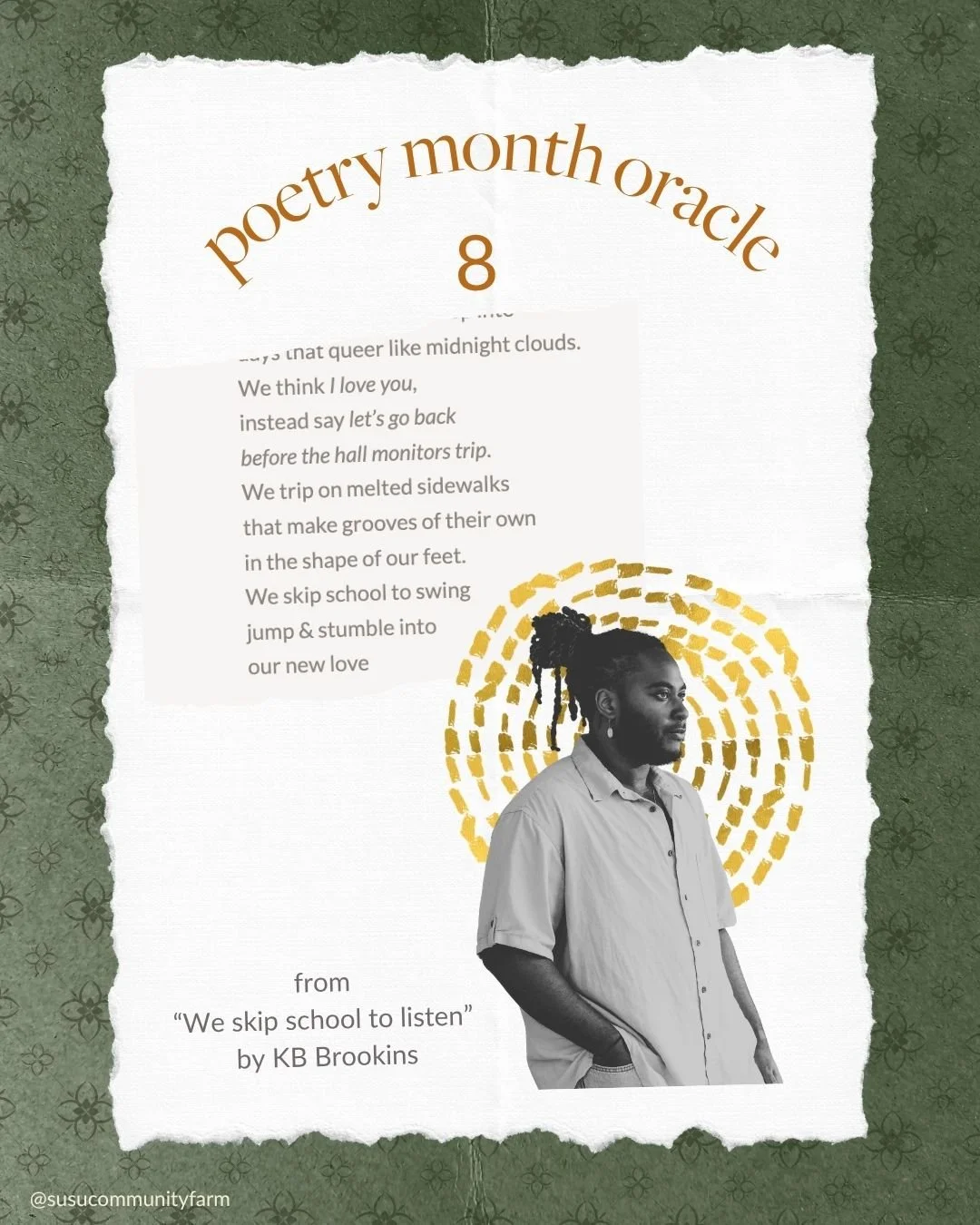
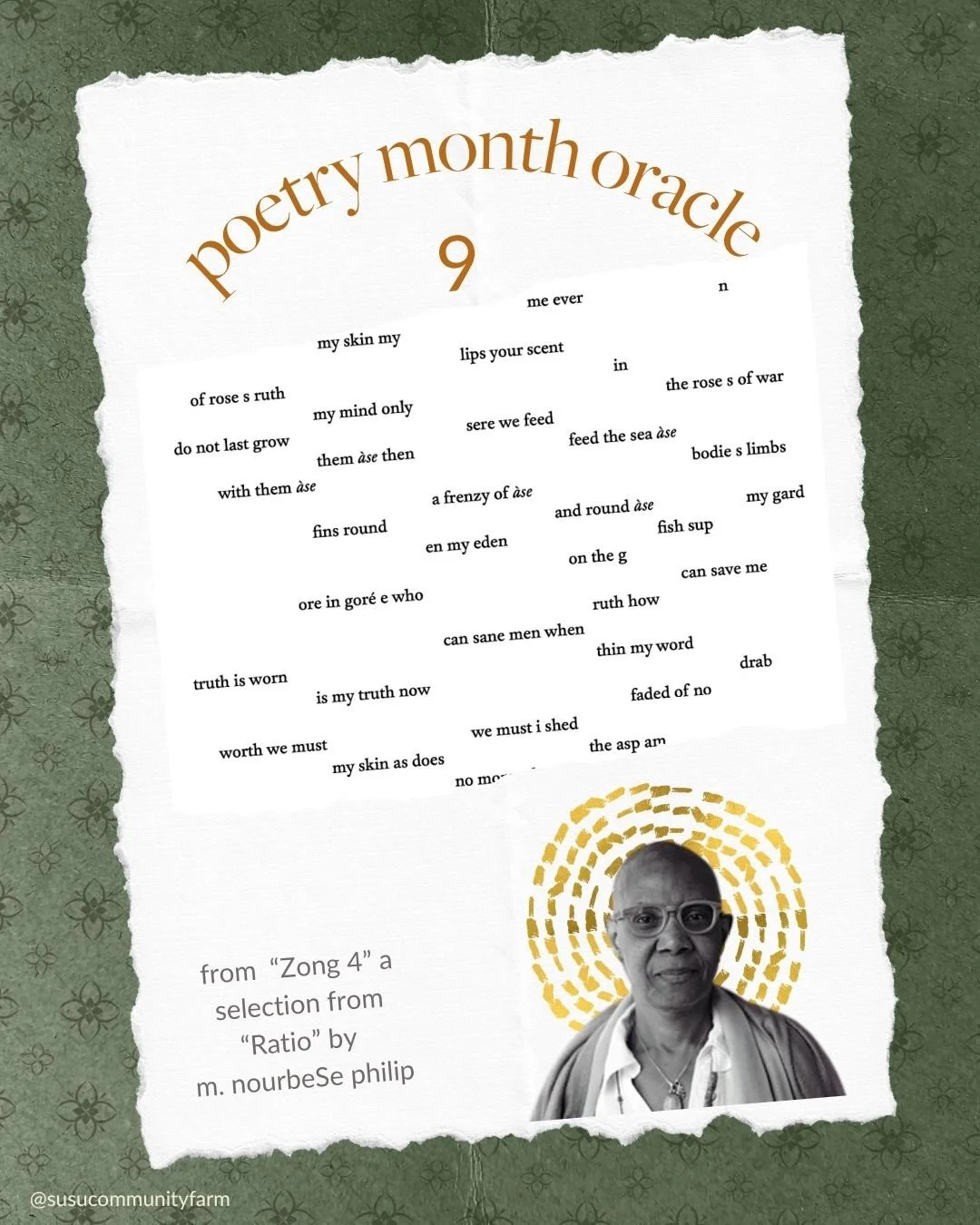
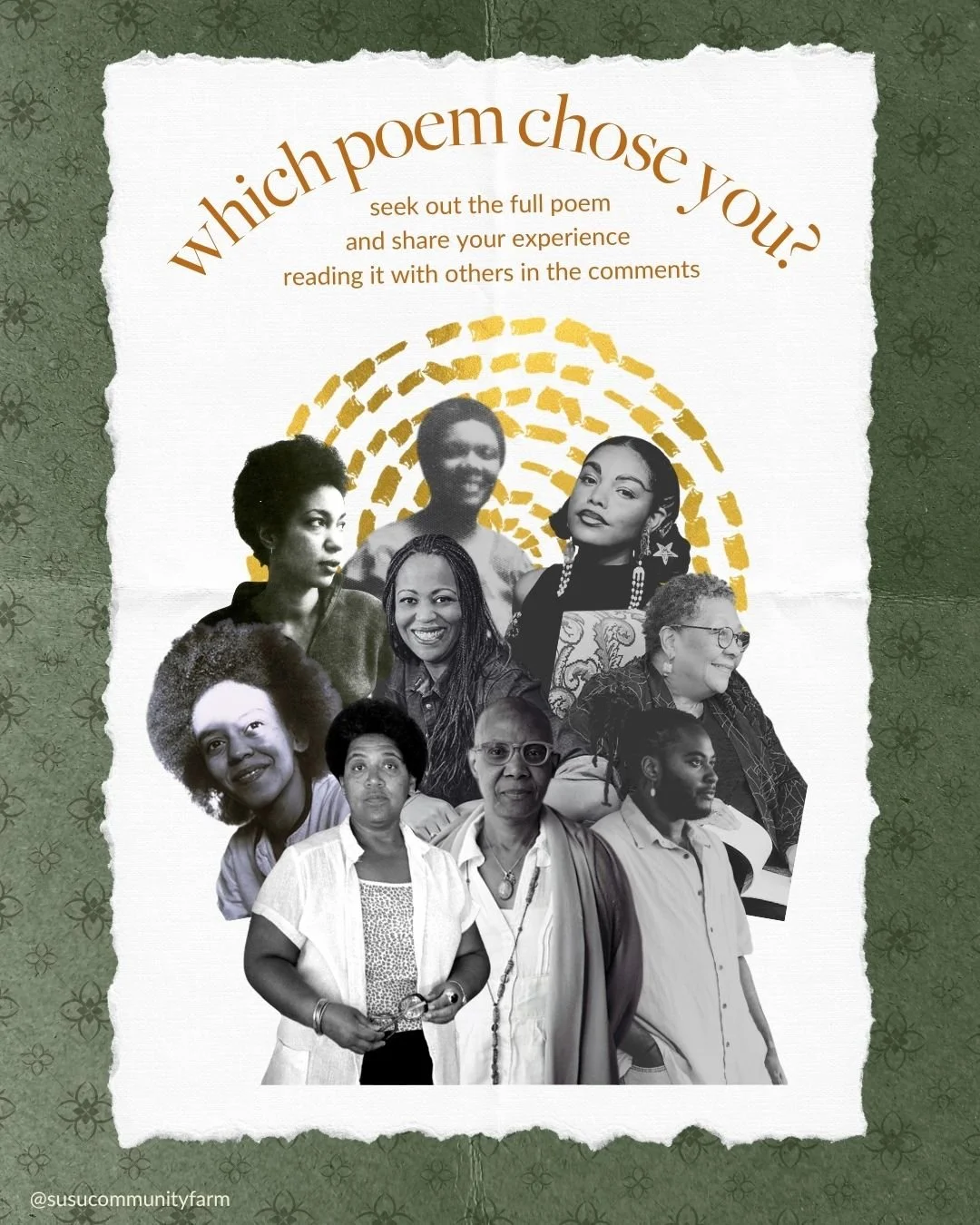
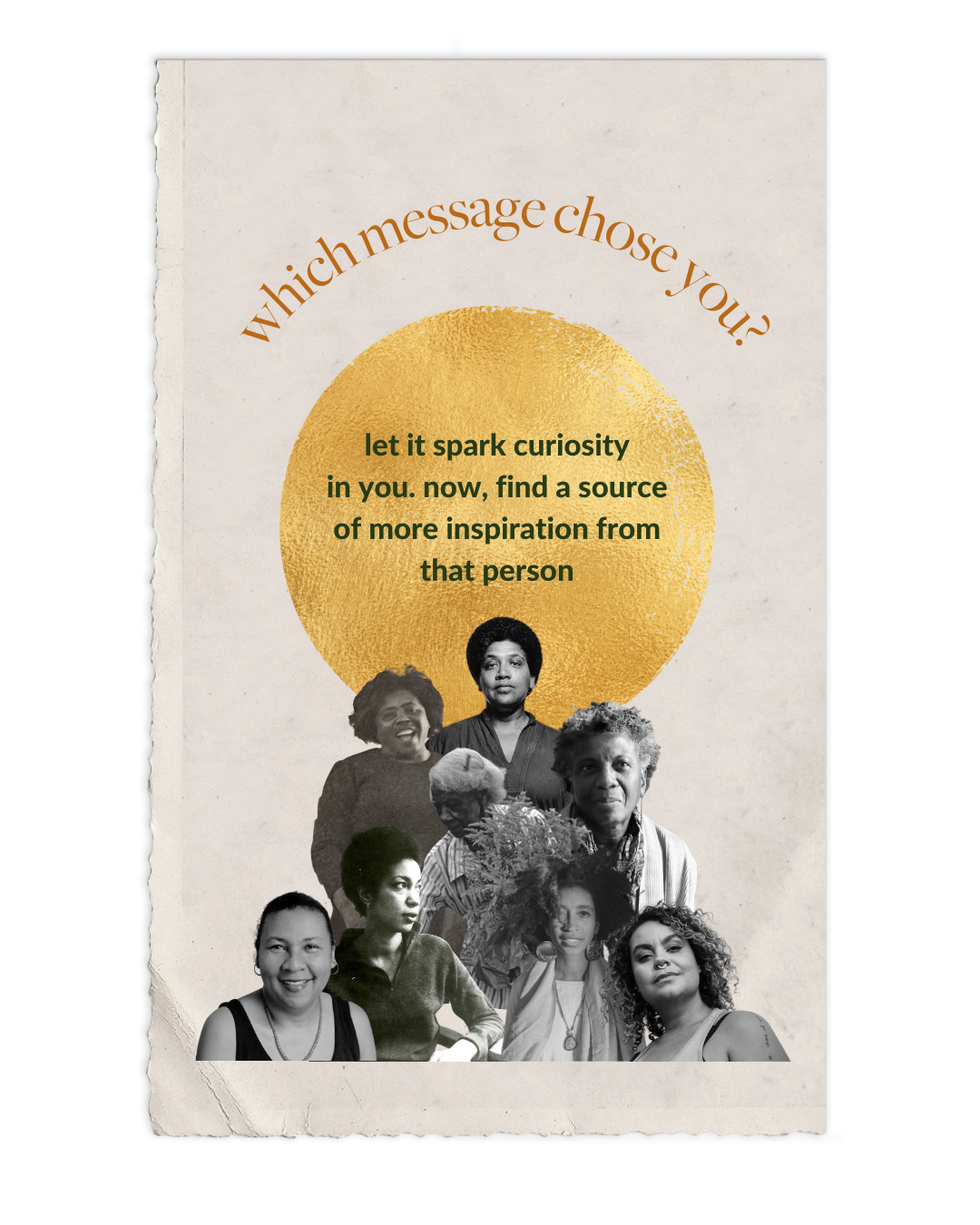
follow the tendrils of curiosity that leads you toward their fuller writing or into your own reflections (or both).
please consider selecting “show my support by making this a recurring donation.”