educational workshops for youth
bringing youth to the land and the living Black archive
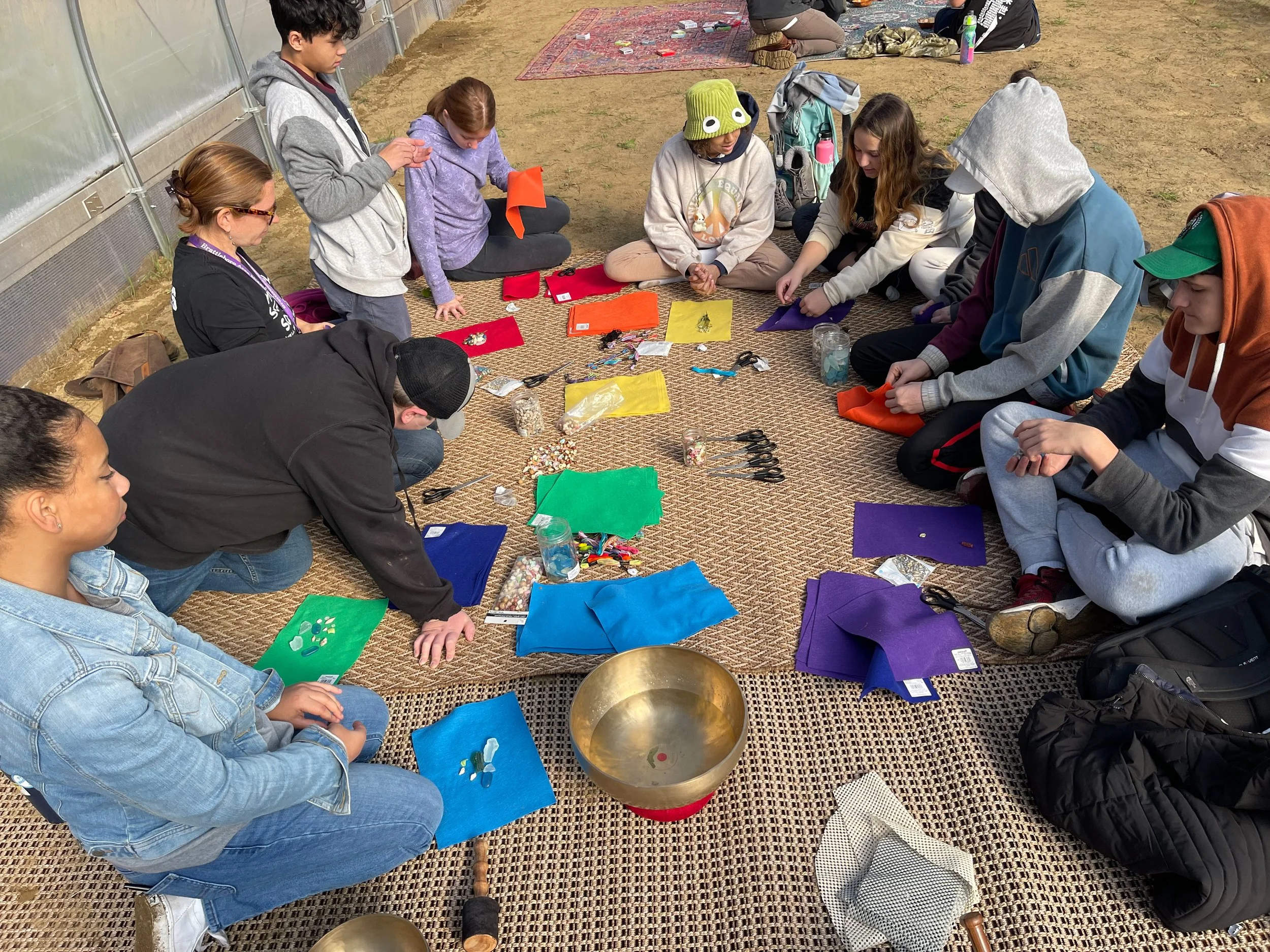
Black archival stories of survival & thrival, SUSU’s signature educational workshop, connects youth to the living work of SUSU commUNITY Farm where land, memory, and culture are actively being tended.
by bringing these stories to life through a land-based, culturally affirming approach, the program helps students develop deeper historical understanding, pride, and connection, while offering an education that honors Black history beyond trauma: it is also creativity, wisdom, strategy, beauty, and liberation.
our workshops also intentionally center Black women and Black womanist frameworks, bringing forward figures often overlooked in mainstream education, such as Fannie Lou Hamer, June Jordan, Audre Lorde, Bell Hooks, Octavia Butler, and other lineage keepers whose leadership, writing, and organizing continue to shape our world. this series is designed by Black archival workers and cultural educators, ensuring the content is taught with care, accuracy, and respect.
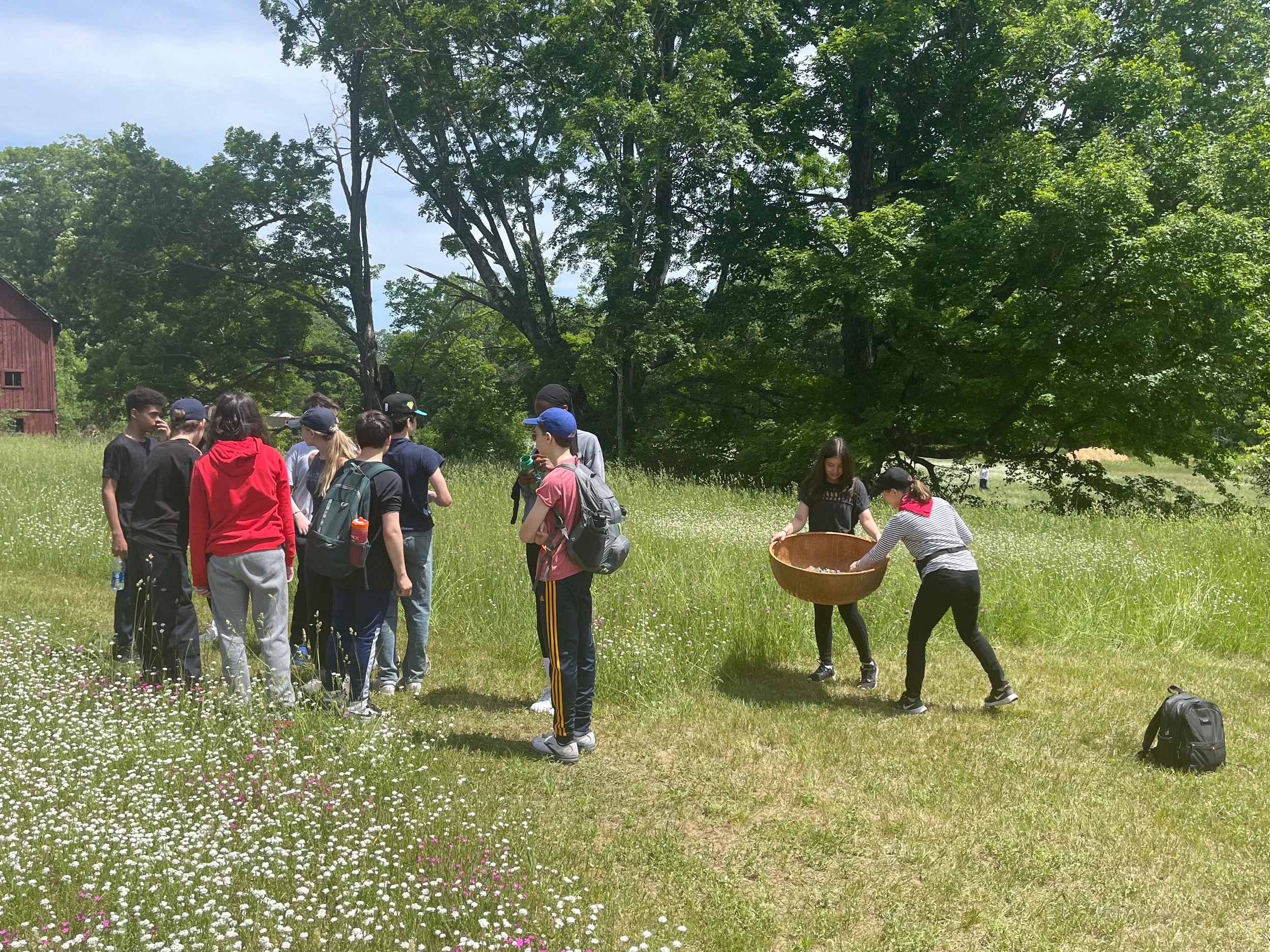
SUSU’s workshops use an archival lens to uplift stories that preserve the fullness of Black life, including ancestral herbalism, rootwork, spiritual ingenuity, community care, and resistance.
we can also come to your classroom
in many school settings, Black history is taught primarily through the lens of enslavement and civil rights era struggle, with limited attention to the vast cultural, intellectual, spiritual, and political contributions of African Americans. while it is essential to tell the truth about slavery and systemic harm, the absence of culturally affirming context can leave Black students with a distorted reflection of themselves, one that emphasizes trauma without also teaching legacy, brilliance, survival strategies, and thriving.
our workshops are designed to expand how students encounter Black history by centering African American cultural lineage, spiritual traditions, and liberation frameworks that are too often excluded from traditional curriculum.
students learn how African descended people carried knowledge through the body, the land, and oral tradition, often transforming everyday materials into tools for protection, healing, courage, and freedom.