
awakening a Black womanist lens during women’s history month
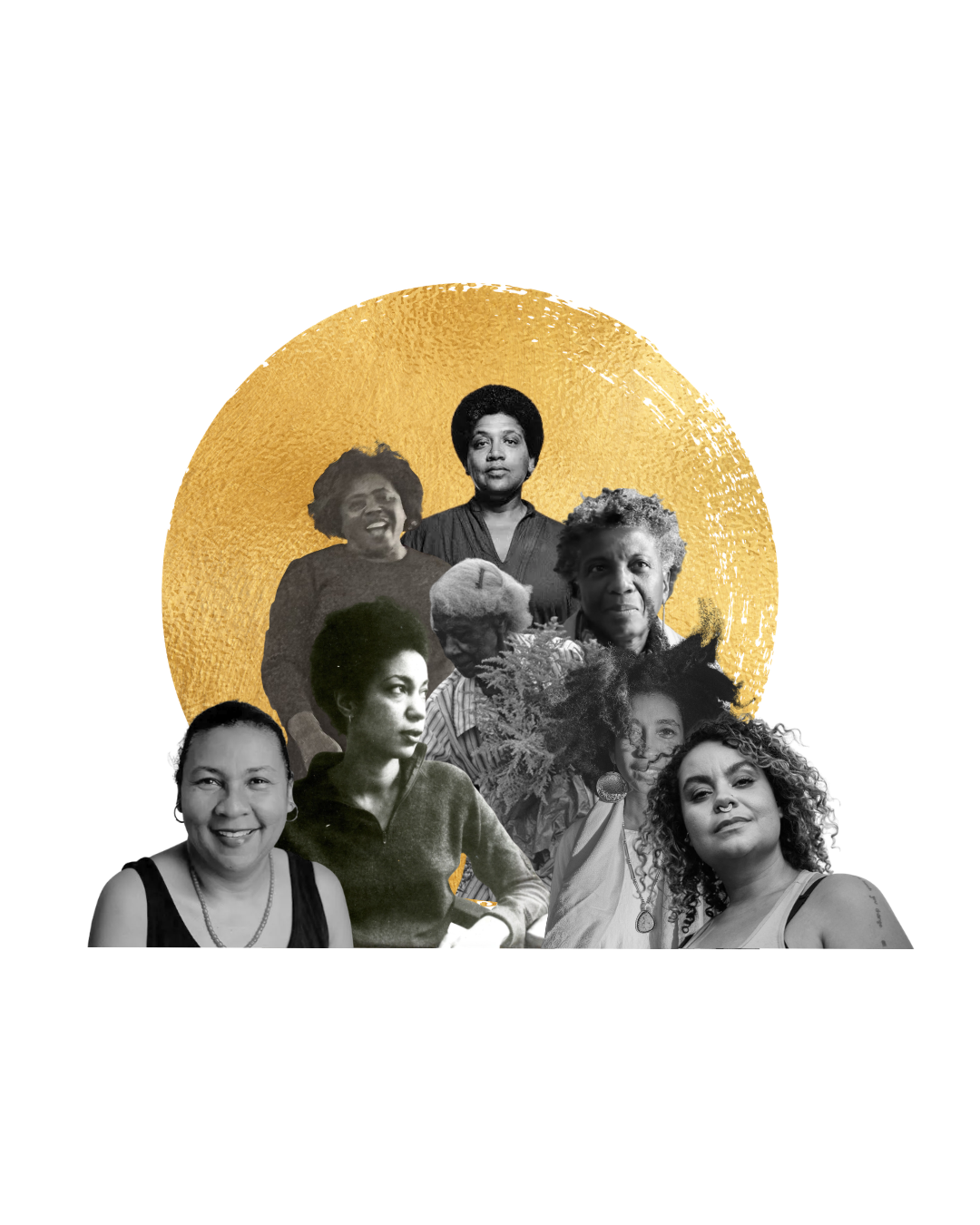
during Black stories month, we explored concepts like Homeplace with bell hooks, sanctuary with other ancestors, and closed and open practices in ATR and ADR traditions. this resonated with our digital community and we gained 2,498 followers during february. and this taught us that our community, near and far, benefits from connections SUSU offers with the land and the ritual space we create here.
so, this month we’re talking about women’s history through the lens of Black womanism. we start by acknowledging that ideas of sanctuary, homeplace, and land stewardship are often inseparable from Black women’s intellectual and political labor. Black womanism teaches us practices that sustain life, defend community, and carry knowledge forward across generations. and these everyday practices of care are the foundation we need for social transformation.
in this culture Black women are taught to give their energy, their time, their thoughts, their visionary wisdom, and their labor. we are taught to give everything they have to a system that deems them disposable. and in a fatphobic culture like the one we live in they are taught to be smaller, to take up less space.
but this isn’t the work of Black women, our work is to rest, to slow down, to be held in the tenderness of the earth, our caregiver, our home. Black women have deep knowledge about designing systems that allow us to live, learn, and organize even when institutions fail them. farms, gardens, kitchens, archives, and community spaces ground our efforts for liberation. this is our infrastructure for survival - bell hooks names how Homeplace links everyday care to collective liberation work.
it’s important for us to reground into a container that honors our bodies and our stories, that recognizes that an already taxed and depleted nervous system isn’t in need of giving more. so we turn to the land to remind us what it means to come back home to our bodies, to awaken to the shifts in the season, the dandelions that are beginning to emerge, the violets that will soon call the soils home. this is our spring medicine that invites us into our tenderness, gentleness, softness.
we learn how to release and give thanks to the cold dark wisdom of winter while we move in flow with the newness of the spring. we turn to our plantkin who invite us to take in the nourishment and tenderness we need to release what no longer serves us and take in the nourishment we need for this seasonal shift.
Black womanist thinking through Fannie Lou Hamer also teaches us that civil rights without food security creates vulnerability. liberation is built through material systems, soil, housing, and nourishment.
one of the most important lessons Octavia Butler teaches us today is that freedom requires institutions capable of sustaining life under changing conditions. conditions are changing. doing the work of care that institutions will not provide is essential to our survival.
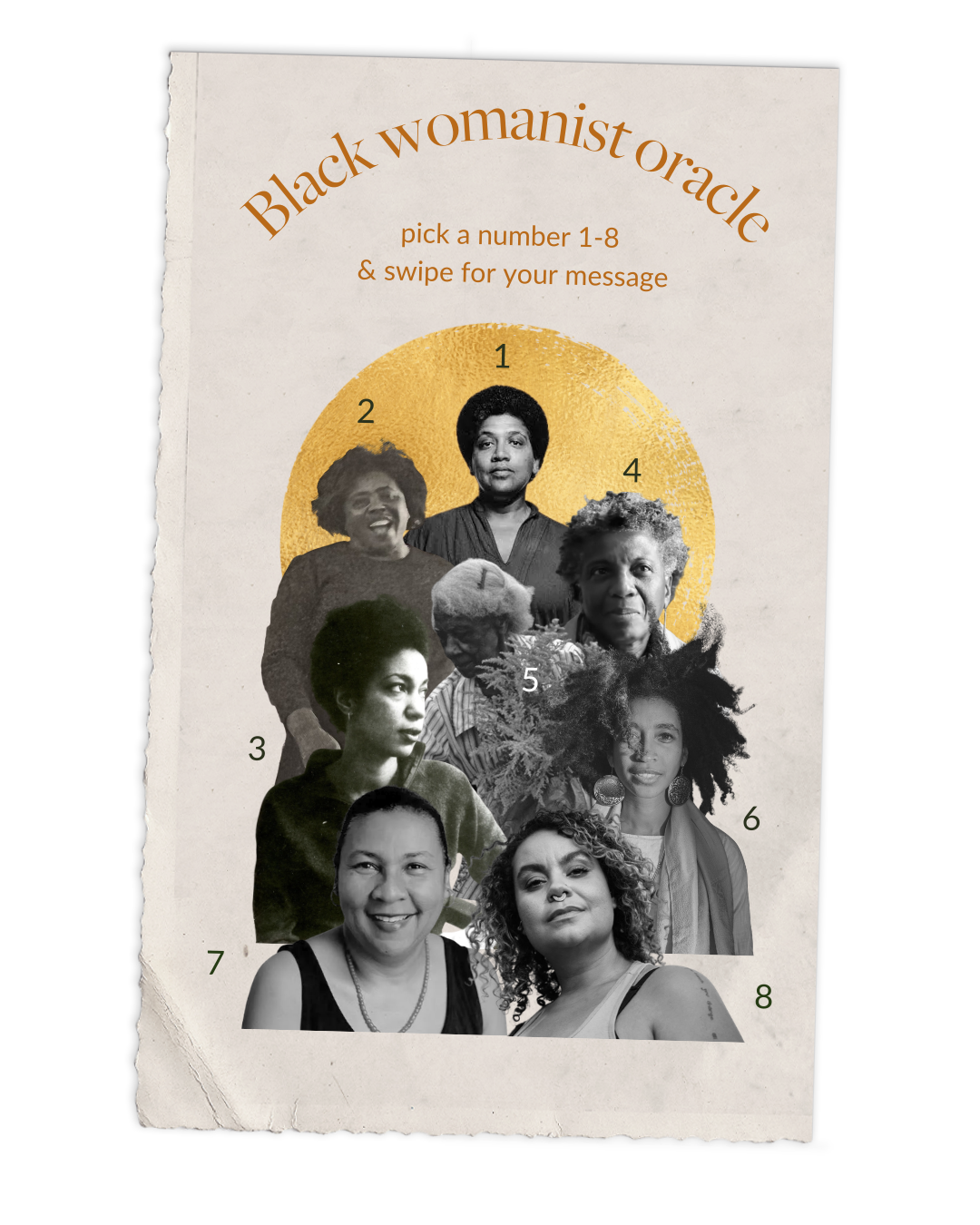
now, if you’re in an intellectual headspace and need to awaken your heart, let some words from the Black women who inspire SUSU awaken your curiosity to learn more and find the knowledge your body wants you to know right now.
first, use your intuition to pick a number 1-8 to let the oracle within you. then look at the matching quote below.
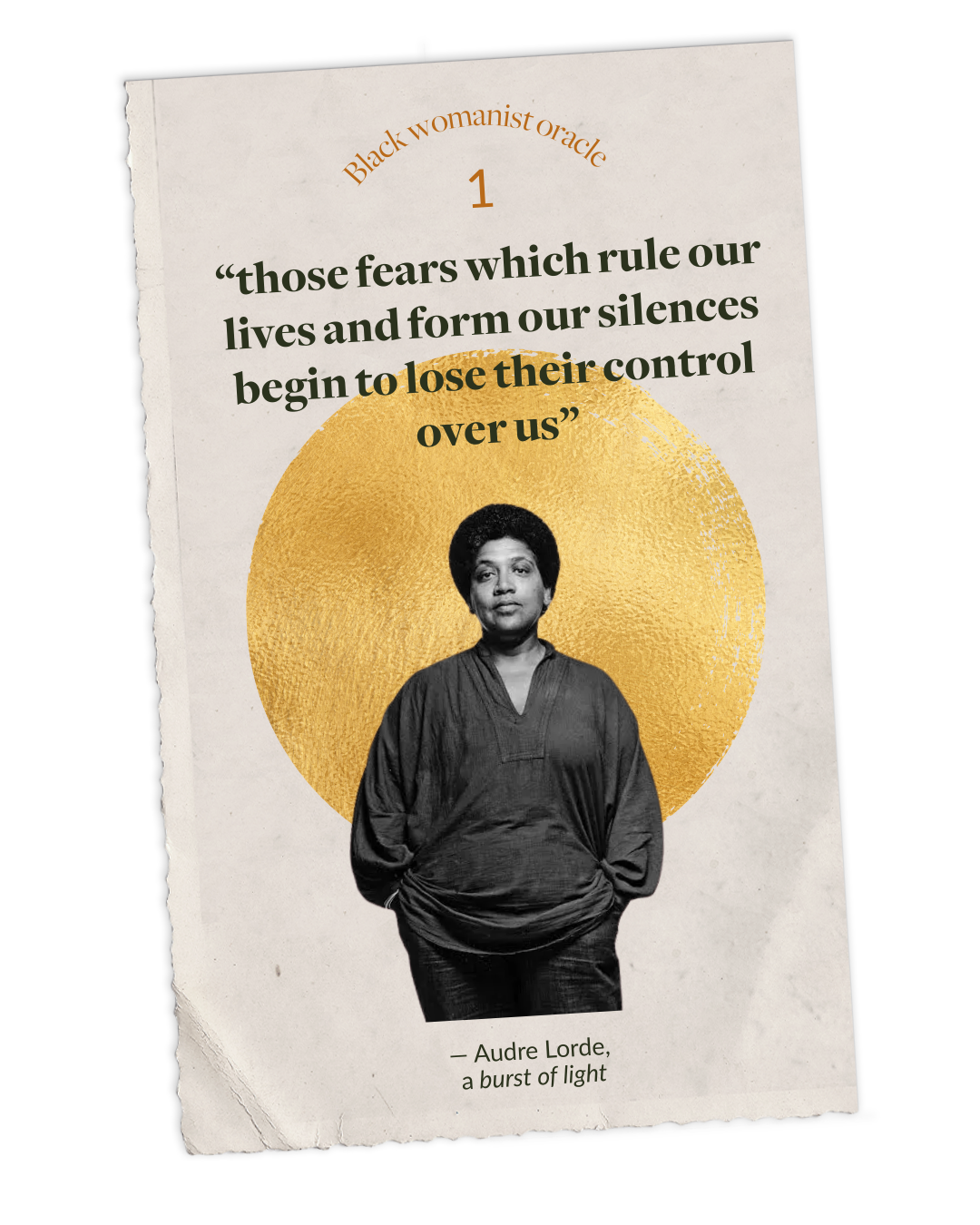

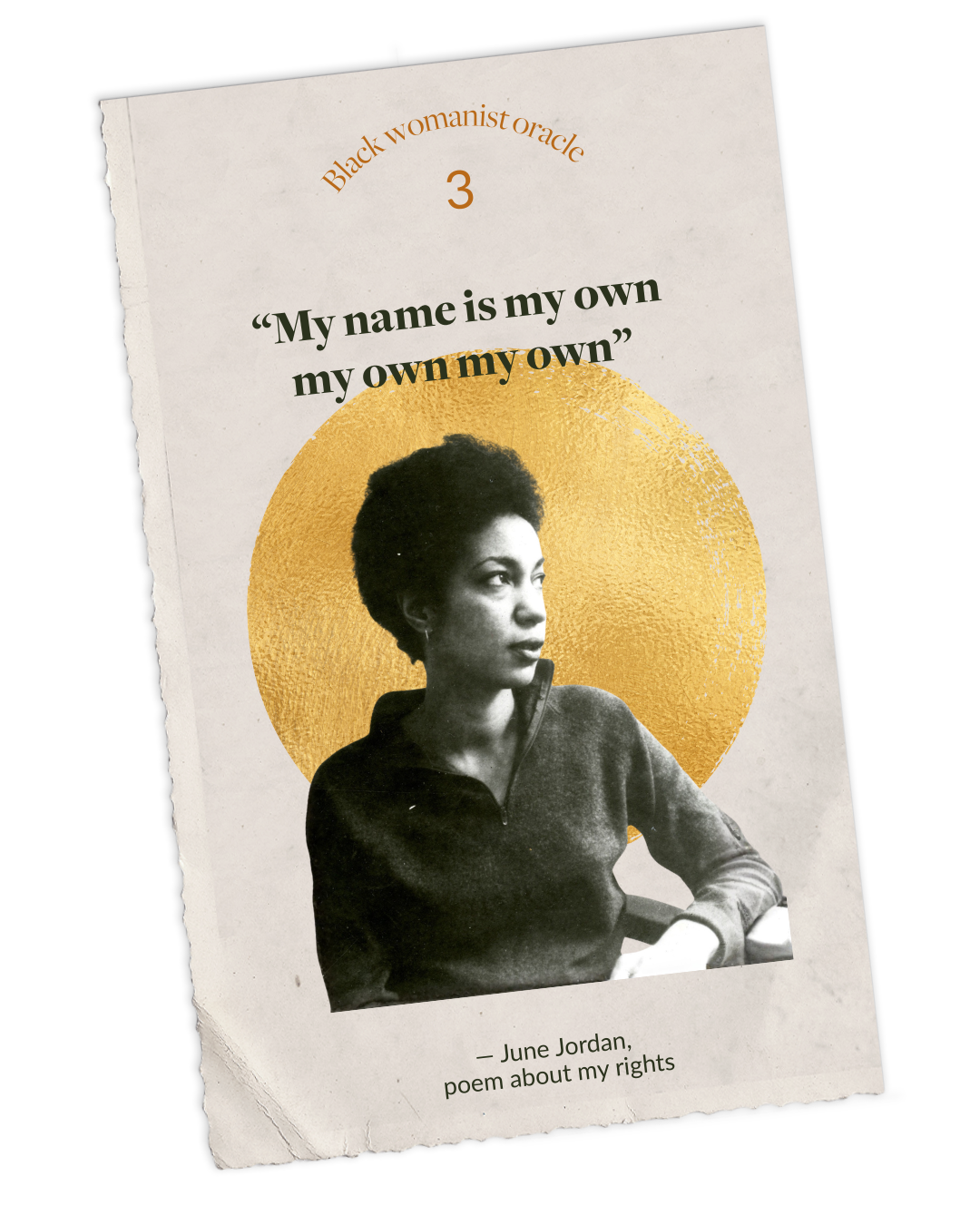
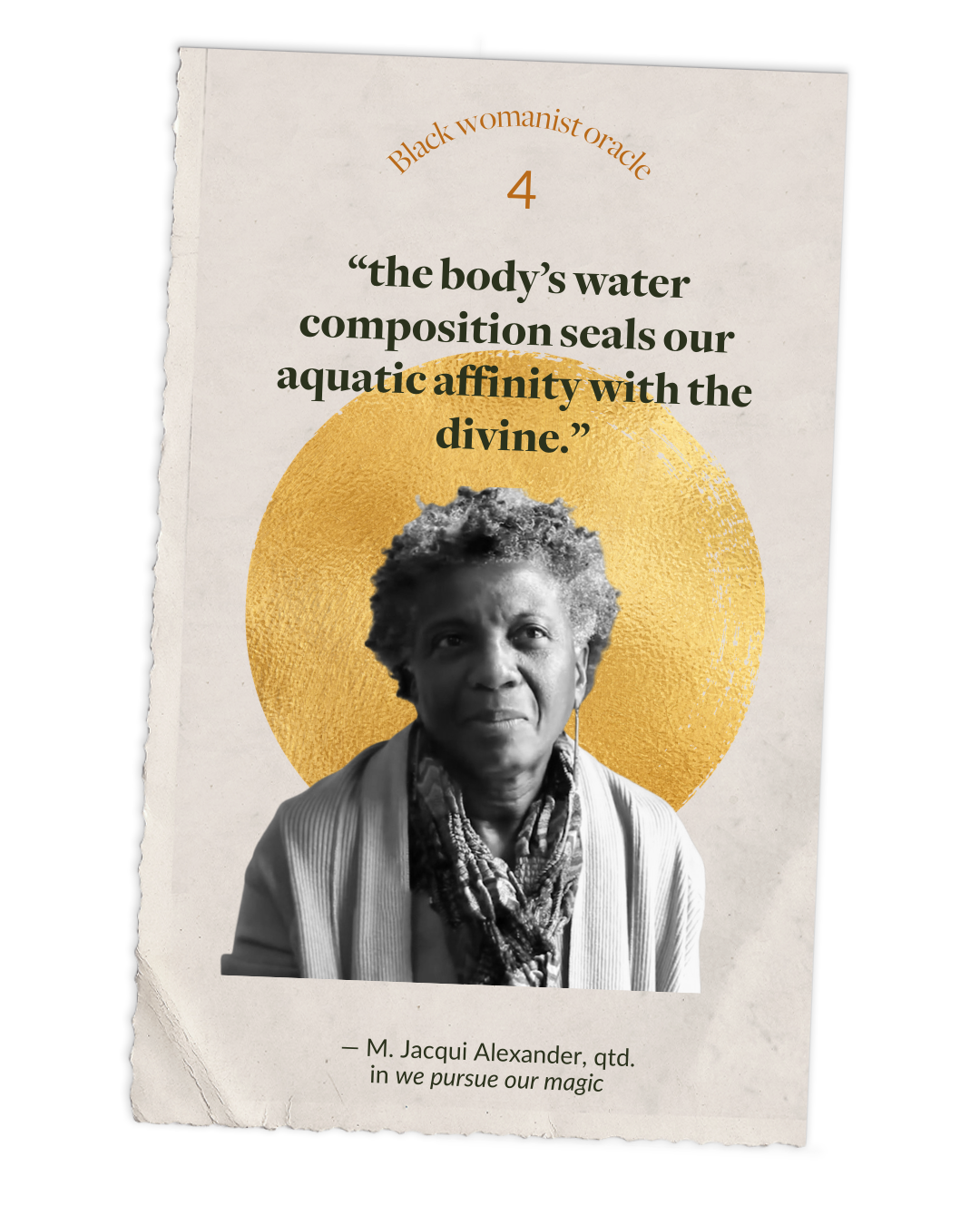
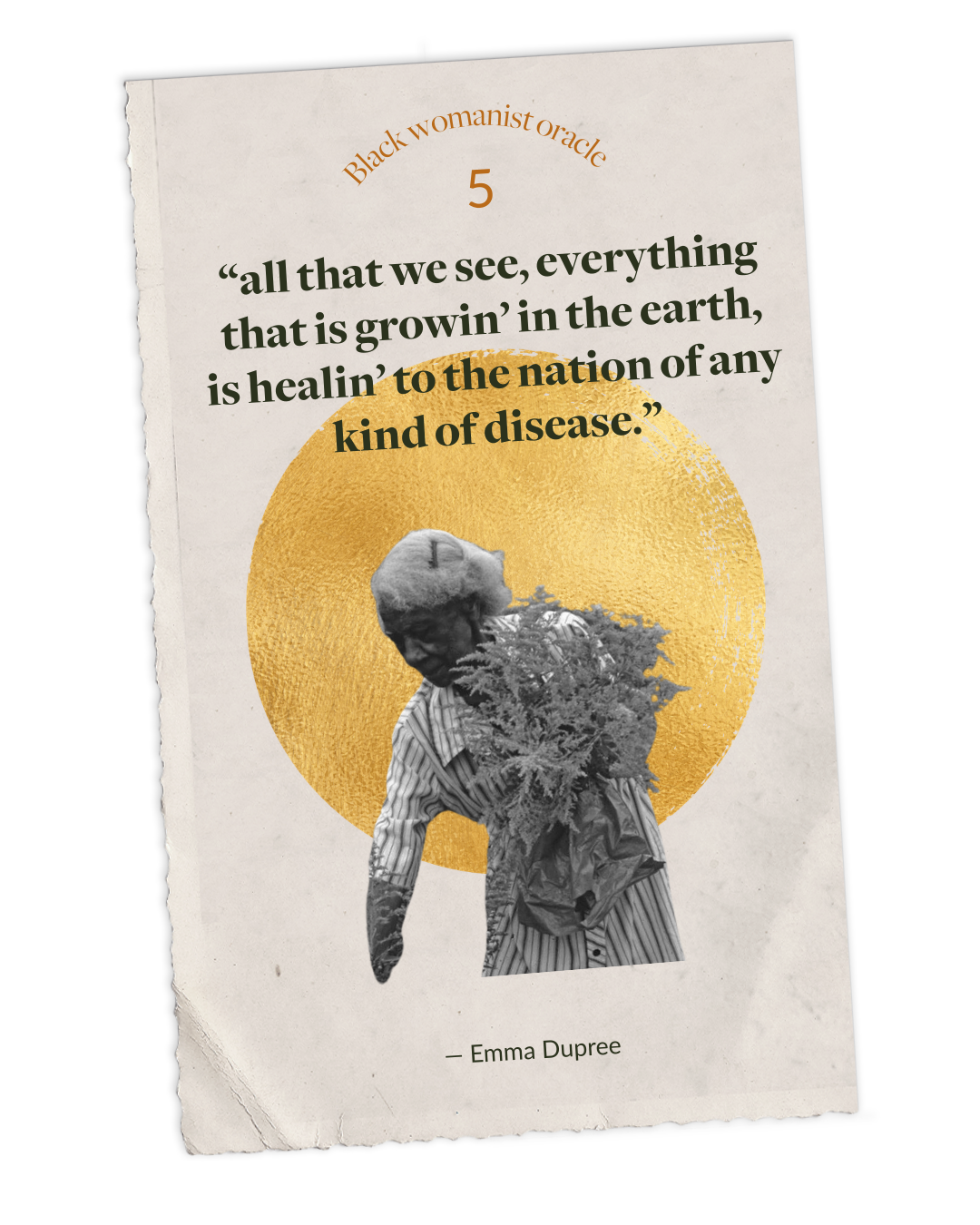
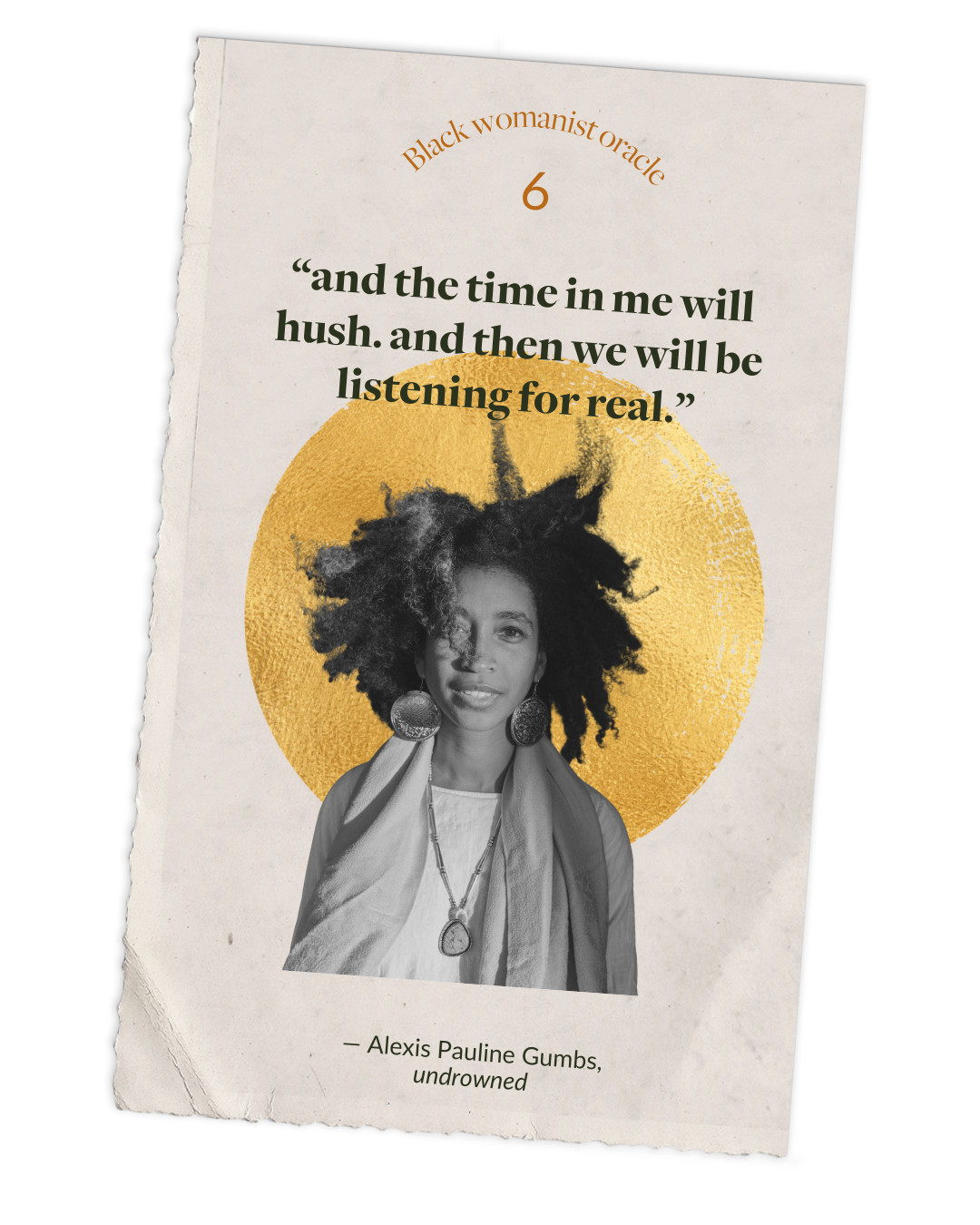
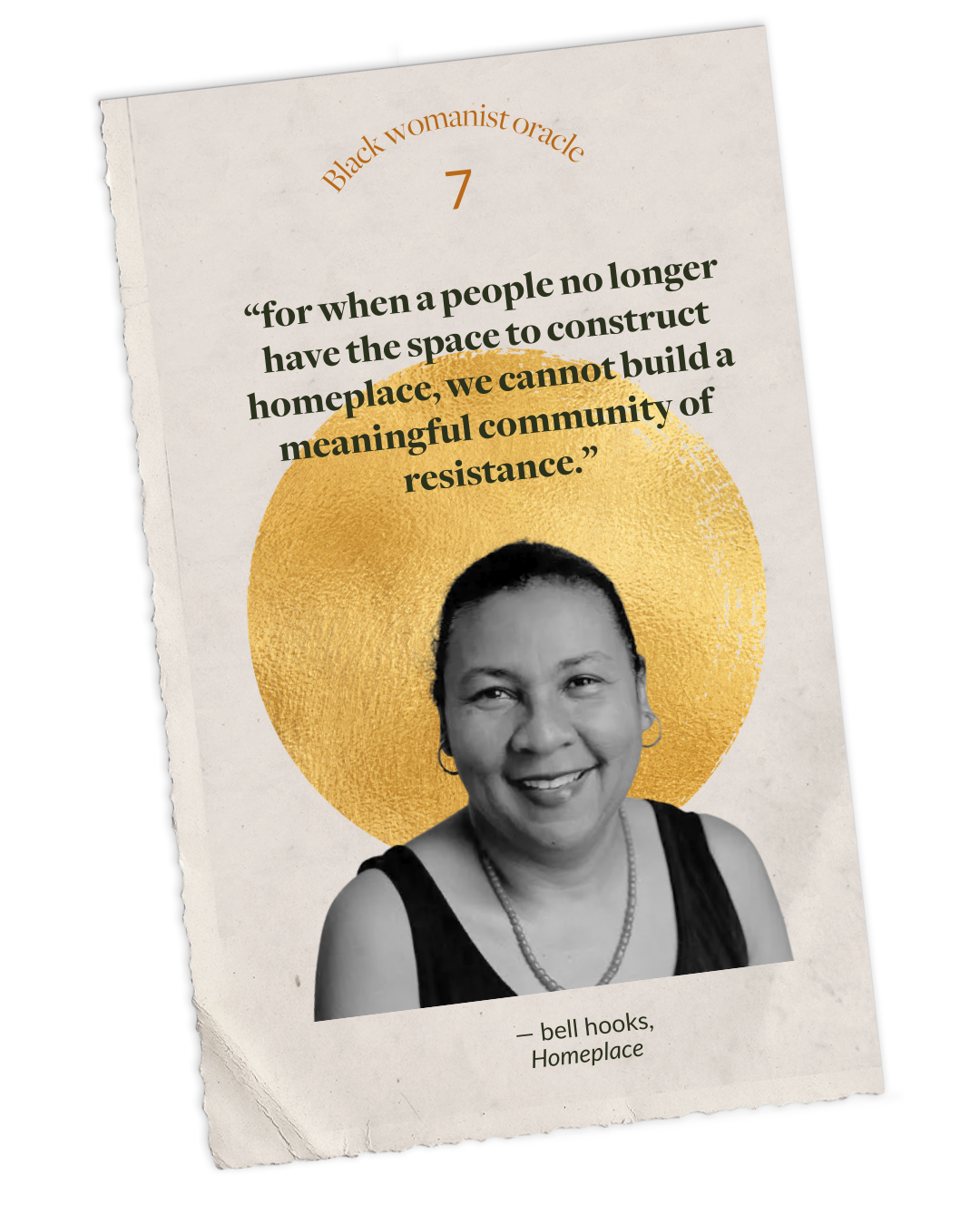
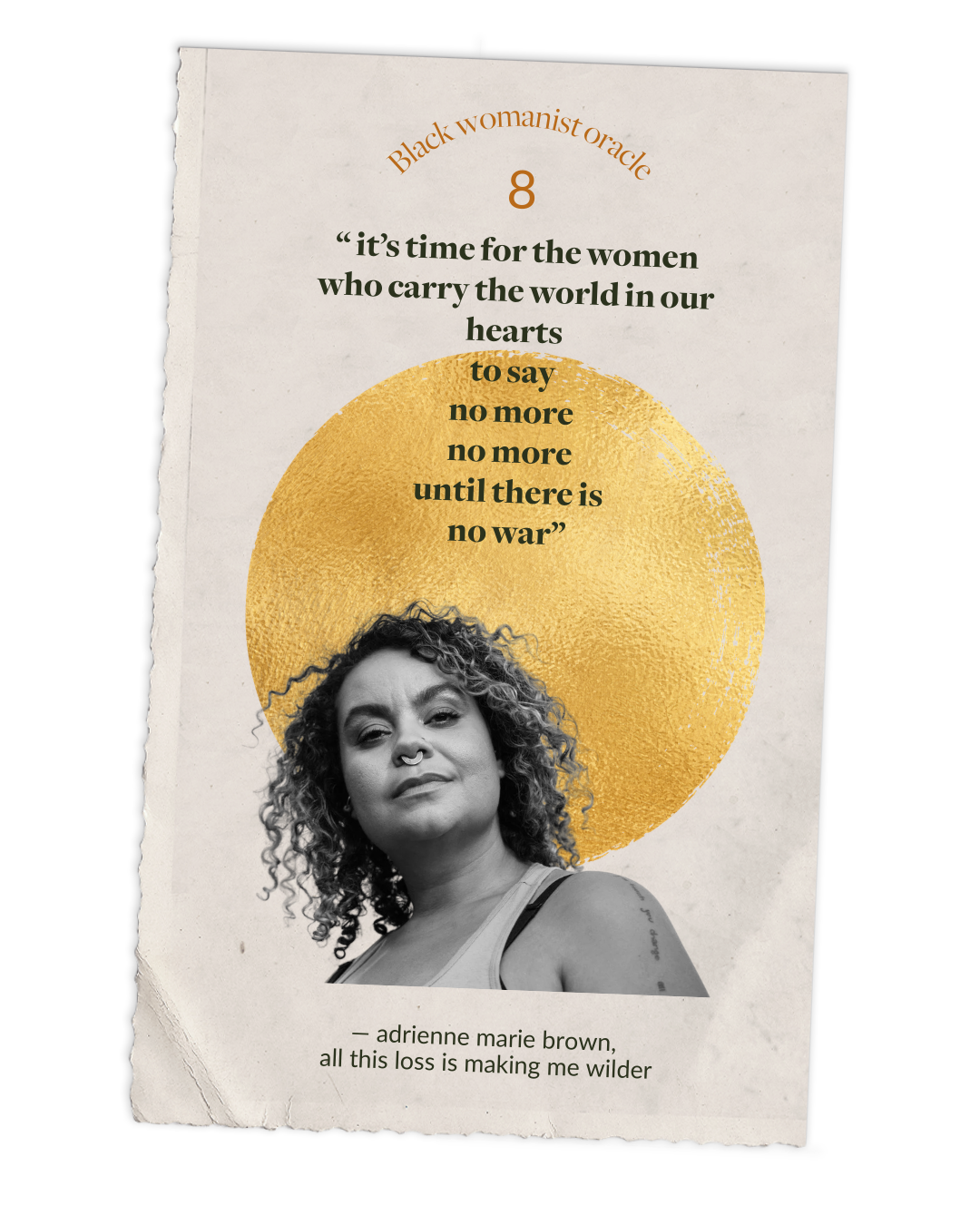
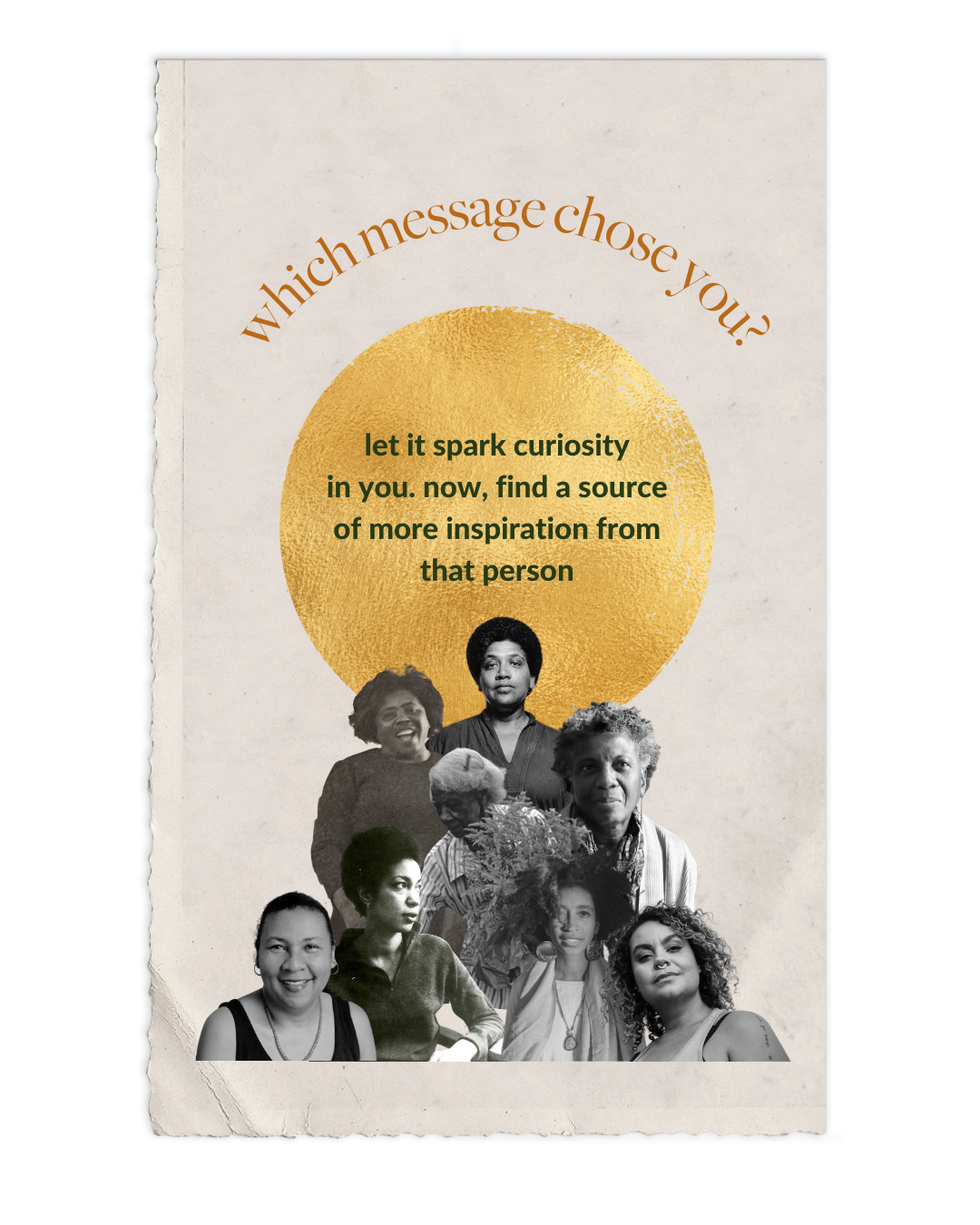
follow the tendrils of curiosity that leads you toward their fuller writing or into your own reflections (or both).
please consider selecting “show my support by making this a recurring donation.”